Artificial intelligence has moved from theory to everyday reality. Businesses now depend on AI tools for automation, analytics and decision making. Yet this shift has created new pressures inside data centres. Servers are working harder than ever before. They are also being replaced far more quickly. As a result, the UK is seeing a sharp rise in redundant hardware that must be handled in a secure and responsible way.
This trend is supported by recent findings from the United Nations Environment Programme. UNEP reports that the rapid expansion of AI infrastructure is already generating growing volumes of electronic waste and increasing the demand for resource intensive materials. It highlights the need for better recycling systems as AI continues to scale worldwide.
For IT managers, this raises important questions. How do you recycle old servers safely? Which is the best method to destroy sensitive data? How do you maintain compliance while still supporting the rapid expansion of new AI-ready infrastructure. This article explores these issues and explains how professional recycling helps data centres remain secure, sustainable and efficient.
Inside This Article
- AI Is Transforming Data Centres and Accelerating Server Waste
- Environmental and Sustainability Pressures
- The Security Risks Hidden Inside Redundant Servers
- How Modern Data Centre Decommissioning Works in the AI Era
- The Benefits of Recycling Servers Responsibly
- How Pure Planet Recycling Supports AI-Driven Upgrades
- Conclusion: AI Will Keep Increasing the Need for Server Recycling
Estimated reading time: 6 minutes
AI Is Transforming Data Centres and Accelerating Server Waste
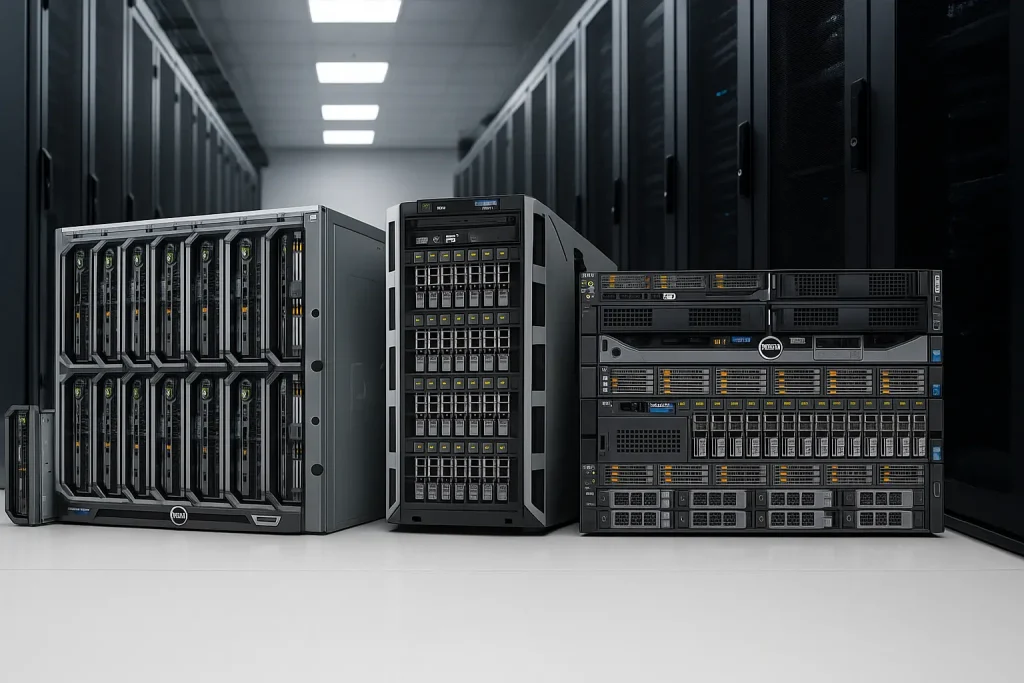
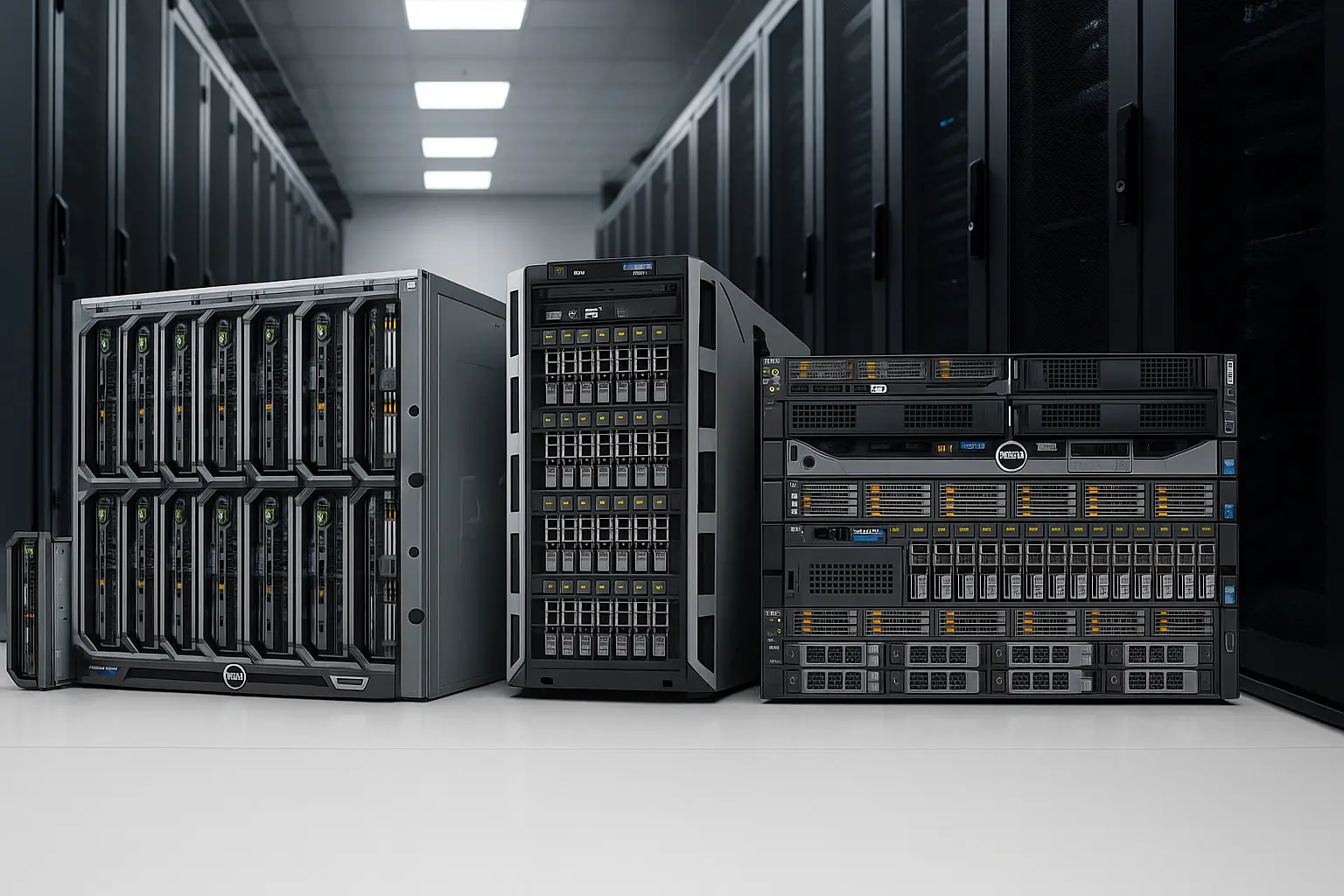
AI has changed the way data centres operate. Models require powerful server clusters that run for longer periods at high intensity. This increased strain reduces the lifespan of servers, storage arrays and network appliances. Many organisations now replace equipment sooner because older systems cannot handle the workload. This shift has also reduced the time between refresh cycles, which leads to more frequent waves of redundant hardware.
Furthermore, AI servers often use different power profiles. They generate more heat. They need more cooling. These demands are very different from traditional enterprise systems. Older racks were not designed to manage this type of load. Therefore, companies often modernise entire rows of equipment rather than simply upgrading a single device.
All of this contributes to a growing stockpile of outdated servers. As AI expands, this problem will continue to rise. Consequently, more organisations are looking for secure server recycling to manage their redundant hardware.
Environmental and Sustainability Pressures
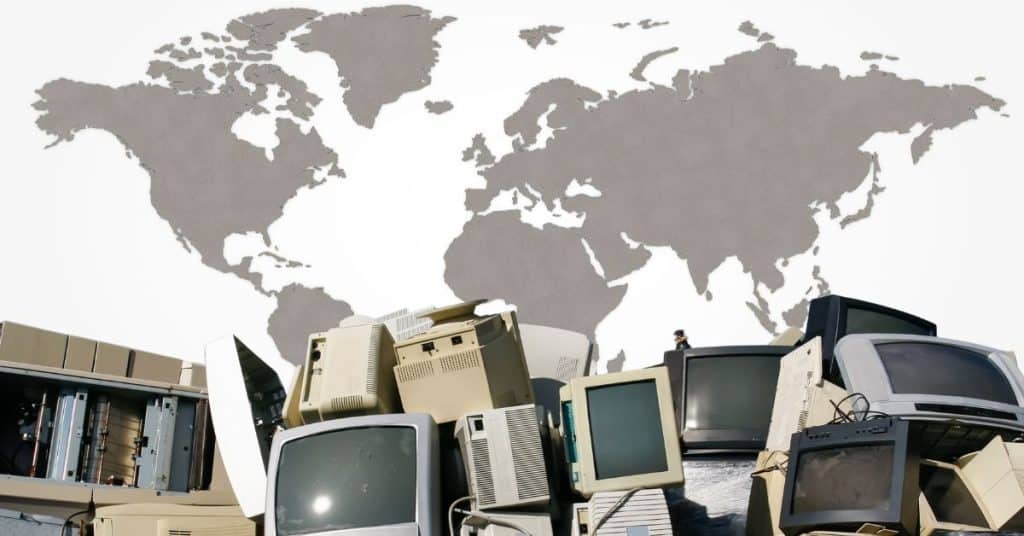
Additionally, companies face rising expectations around environmental responsibility. Servers contain metals, plastics, printed circuit boards and other components that can harm the environment when disposed of incorrectly. Because sustainability reporting is now part of many corporate strategies, organisations want transparency on how their retired hardware is recycled. Proper recycling supports ESG goals by reducing landfill waste and improving material recovery rates.
The UNEP findings add further weight to this issue. They show that AI infrastructure is driving rising material use and creating additional waste streams, demonstrating why responsible server recycling is essential for long term environmental protection.
The Security Risks Hidden Inside Redundant Servers
When data centres remove old servers, the focus is often on physical space and performance. Yet the largest risk usually lies within the storage. Many servers still hold sensitive data. Even after a reset, information may remain across RAID arrays, local drives or backup volumes. Network appliances and storage arrays can also retain logs and configuration data that should not be exposed.
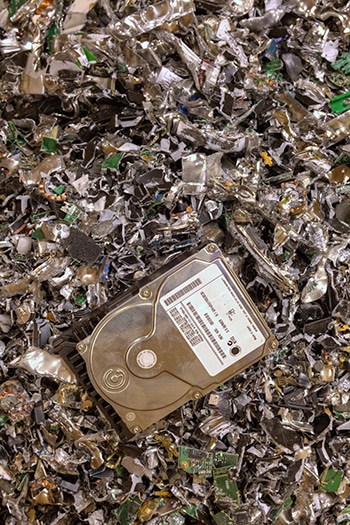
Because of this, secure destruction is essential. It is not enough to rely on software wiping alone. Many businesses now request physical shredding to ensure that data is unrecoverable. This approach also aligns with GDPR requirements, which emphasise the need for secure disposal of personal data.
At Pure Planet Recycling we provide certified shredding of hard drives and other data bearing items. This gives IT managers confidence that their data is handled correctly from start to finish.
How Modern Data Centre Decommissioning Works in the AI Era
Decommissioning has become more complex as AI infrastructure expands. It no longer involves simply unplugging a server and lifting it out of a rack. Instead, it often includes:
- Full rack-level decommissioning
- Removal of cabling, power distribution units and network equipment
- Dismantling of legacy storage systems
- Extraction of UPS units that may contain lead-acid batteries
- Secure handling and destruction of any data bearing components
- WEEE-compliant processing and material recovery
This level of work requires planning and coordination. It also requires a recycling partner with experience in data centre recycling. A professional approach ensures safety, protects data and provides a clear audit trail for compliance.
If your organisation is planning a major refresh or a full site clearance, our dedicated service can support you.
The Benefits of Recycling Servers Responsibly
Recycling old servers brings several important benefits for organisations.
Recovery of valuable materials
Servers contain metals such as copper, aluminium, gold and silver. These materials can be recovered and re-used. This reduces the need for new mining and supports responsible manufacturing.
Reduced environmental impact
Recycling prevents harmful components from entering landfill. It also lowers the carbon footprint of IT operations. Many organisations now include responsible disposal in their sustainability reporting. Recycling supports these goals and demonstrates a commitment to greener IT practices.
Practical advantages inside the data centre
Removing redundant servers improves airflow and frees up space. It also allows teams to reorganise racks and install more efficient equipment. These improvements support the performance and cooling requirements of AI hardware, which benefits long term operational stability.
What IT Managers Should Look for in a Server Recycling Partner
Choosing the right partner is essential. When planning to recycle old servers, IT managers should check for:
- Correct environmental permits and WEEE compliance
- Secure transport with tracking
- Certificates of destruction for all data bearing items
- Auditable chain of custody
- On-site or off-site shredding options
- Experience inside live and decommissioned data-centre environments
- Detailed reporting to support ESG and compliance teams
When these elements are in place, organisations can recycle old servers with confidence and meet all regulatory requirements.
How Pure Planet Recycling Supports AI-Driven Upgrades
Pure Planet Recycling offers a complete service for any organisation retiring servers or upgrading infrastructure due to AI growth. We provide:
- Secure server recycling across mainland England
- Certified hard-drive shredding
- Full data-centre decommissioning
- Lead-acid UPS battery handling
- WEEE-compliant processing
- Environmental reporting
- Reliable collection and secure transport
- Fast project turnaround
This gives IT managers a single trusted partner for every stage of the disposal process.
Conclusion: AI Will Keep Increasing the Need for Server Recycling
AI is reshaping the data-centre landscape. It creates opportunity, but it also creates waste. Servers are reaching end of life faster. Networks and storage systems are being replaced sooner. Because of this, secure and responsible recycling is becoming essential for every organisation that manages IT infrastructure.
When handled correctly, server recycling protects data, supports sustainability and prepares data centres for the next generation of technology. If your organisation is planning hardware upgrades, Pure Planet Recycling is ready to help you manage the process safely and efficiently.